
Nienke Stoop: How the beginning of your life can influence your health
Why is self-cultivation relevant to acupuncturists? An interview with Dianne Sommers

How can we stay vital and active throughout our lives? - A conversation with Alex Tiemes
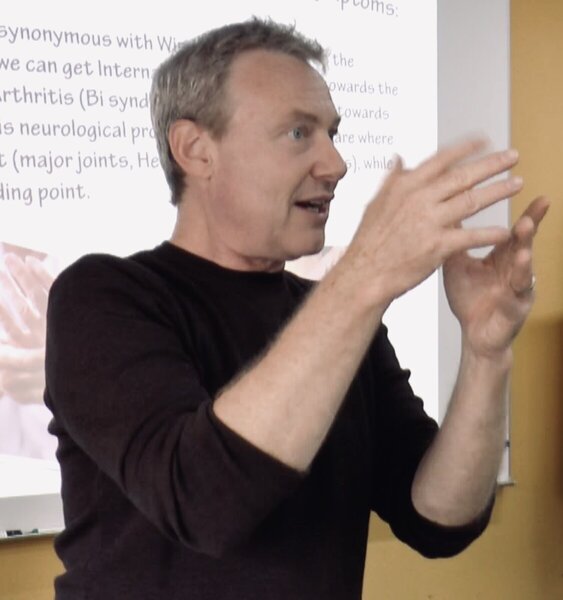
Fear and trauma: when there is more at play than just physical complaints – a conversation with David Euler
‘Trauma changes the way the brain, body, and nervous system experience safety.’
You come in for headaches, sleep problems, or persistent tension. But what if anxiety or a significant experience lies behind those complaints? According to acupuncturist David Euler, this calls for a different approach, where the physical complaint is not always the primary focus.
David Euler is an international instructor and has decades of experience as an acupuncturist. He specializes in the Kiiko Matsumoto method, where the practitioner gathers information about the body through touch. He has also been involved in acupuncture education at Harvard Medical School for many years.
During Acupuncture Week, he will host a webinar for NVA members on anxiety and trauma. We asked him how significant experiences can manifest in the body and what this means for his treatment approach.
What can a significant experience do to someone?
David: The word trauma comes from Greek and literally means ‘wound’. We distinguish between physical and psychological trauma. I primarily focus on how acupuncture can help with the effects of psychological trauma.
Psychological trauma can occur when someone experiences something so profound that it is difficult to process. It changes the way the brain, body, and nervous system perceive safety. This can significantly affect daily life.
The consequences are very diverse. Think of concentration problems, forgetfulness, flashbacks, nightmares, anxiety, and constant alertness. Mood swings can also occur, putting relationships and work performance under pressure. Sometimes suicidal thoughts arise, or people turn to alcohol, drugs, or risky behavior.
Additionally, trauma can cause physical complaints such as sleep problems, headaches, muscle tension, gastrointestinal issues, and an increased heart rate. Elevated cortisol levels can also contribute to higher blood sugar and cholesterol levels.
What does this mean for the way you treat someone?
David: Psychological trauma can manifest in many different ways, including anxiety. When I know someone has post-traumatic stress disorder (PTSD), I adjust my examination and treatment accordingly.
I use a diagnostic method where I feel certain areas of the body with my hands to gather information. This is called palpation-based examination. When someone is suffering from the effects of trauma, I take that into account during the examination and change my treatment strategy. I first focus on the effects of the trauma before addressing other complaints.
This approach is based on ancient texts from Chinese medicine, including the Su Wen and the Ling Shu.
How do you handle someone who feels anxious or uncomfortable during a treatment?
David: People with PTSD may feel vulnerable, uncomfortable, or anxious during the initial acupuncture treatments. That is not uncommon.
In such a situation, I take extra time to explain what someone can expect during the treatment. I also provide pleasant background music. I usually use special sound tones, known as binaural beats of 40 hertz, which are intended to stimulate certain brain activity and concentration, and if someone needs it, I offer a glass of water.
Sometimes I deliberately keep the first treatment short and focus primarily on the emotional aspect of the complaints.
What does this require from you as an acupuncturist?
David: As an acupuncturist, you work from a holistic perspective, looking at the person as a whole. This means you also need to have sufficient knowledge of psychological health issues and how to address them.
At the same time, you must know your own limits. Sometimes it is better not to treat someone with acupuncture yet because they first need psychiatric care.
What would you like people to better understand about the effects of anxiety and prolonged stress?
David: Good information is often important for the success of a treatment. Many people do not realize the consequences that prolonged stress and anxiety can have on their bodies.
Chronic stress and anxiety can, in my opinion, lead to adrenal exhaustion, long-term problems with the heart and blood vessels, and disruptions of the autonomic nervous system. This is the part of the nervous system that regulates heart rate, breathing, and digestion. Inflammatory processes can also arise that may contribute to autoimmune diseases and conditions such as diabetes, arthritis, and cancer.
Therefore, I find it important that people understand that prolonged stress and anxiety not only affect how they feel, but also their physical health.
Discover more during Acupuncture Week
What does it mean to live vibrantly, and what role can acupuncture play in that? Discover more about the Chinese medicine perspective on health in different life stages during the Week of Acupuncture.
